Septoplasty (Deviated Septum Repair) in NYC
The nasal septum is the wall inside the nose that separates the two nasal passages. When this wall is crooked or deviated, it can block airflow through one or both sides of the nose, producing chronic breathing difficulty along with a range of related symptoms. A deviated septum typically becomes apparent after the nose finishes growing at the end of the teenage years, when the cartilage and bone forming the septum become misaligned and narrow the nasal airway. Septoplasty — the surgical repair of a deviated septum — is one of the most effective sinus and breathing enhancement procedures for restoring clear, unobstructed nasal breathing.
Many people who have lived with a deviated septum for years have simply adapted to breathing through one side of the nose — often without realizing that the persistent blockage, snoring, and recurrent infections all trace back to a single correctable cause. Dr. Maurice Khosh is the author of “Unilateral Nasal Obstruction,” published by Greenwich Medical Publications, and brings three decades of functional nasal surgery experience to the diagnosis and repair of the deviated septum. Dual board-certified — including by the American Board of Otolaryngology–Head and Neck Surgery, the specialty most directly concerned with nasal airway disorders — Dr. Khosh is a Fellow of the American College of Surgeons (FACS). He has been recognized as a perennial Castle Connolly Top Doctor and a Best Doctors in America honoree.
What Is a Deviated Septum?
The septum is composed of both cartilage (in the front) and bone (toward the back), covered by the nasal lining:
- The Dividing Wall: The septum divides the nose into two separate passages, ideally positioned in the midline
- When It Deviates: When the cartilage and bone forming the septum are crooked or shifted to one side, the affected passage becomes narrowed
- One or Both Sides: Depending on the pattern of deviation, one or both nasal passages can be obstructed
- Common Condition: A degree of septal deviation is extremely common; it becomes clinically significant when it produces noticeable obstruction or other symptoms
Symptoms of a Deviated Septum
A deviated septum can produce a range of symptoms that affect both breathing and quality of life:
- Nasal Obstruction: Difficulty breathing through one or both sides of the nose, often more pronounced on one side
- Snoring: Disrupted airflow contributing to snoring and sometimes affecting sleep quality
- Recurrent Sinus Infections: Impaired drainage contributing to repeated sinus infections
- Dry Mouth and Throat: From breathing through the mouth to compensate for nasal obstruction
- Difficulty Breathing During Exercise: Worsening obstruction during physical activity
- Nosebleeds: In some patients, due to airflow patterns drying the deviated area
- Sleep Disruption: Difficulty sleeping due to compromised nasal breathing
What Causes a Deviated Septum?
A deviated septum can develop from different causes:
- Nasal Trauma: A common cause — injury to the nose from sports, falls, accidents, or other trauma can shift the septum
- Developmental: In the majority of patients, there is no clear history of nasal trauma; the deviation develops as the nose grows and the septal cartilage and bone become misaligned
- Birth-Related: In some cases, septal deviation can result from the birth process itself
- Progressive with Growth: Deviation often becomes more apparent as the nose completes its growth at the end of the teenage years
How Septoplasty Works
Septoplasty is performed entirely through incisions inside the nose, with no external incisions:
- Internal Incisions Only: All incisions are made within the nose, avoiding any visible scars, external swelling, or bruising
- Straightening the Septum: The deviated portions of cartilage and bone are repositioned, reshaped, or partially removed to straighten the septum and open the airway
- No Change to Nose Shape: In most cases, septoplasty does not alter the external shape of the nose
- Exception for External Deformity: In a minority of patients, the deviated septum causes a visible external nasal deformity; in these cases, septoplasty can improve both the external appearance and the breathing
- No Nasal Packing: Dr. Khosh does not use packing inside the nose after surgery, allowing patients to breathe through the nose immediately following the procedure
“A deviated septum is one of the most gratifying problems to fix because the improvement is so immediate and so tangible. Many patients have lived with one-sided nasal blockage for so long that they’ve forgotten what normal breathing feels like — and not using nasal packing means they can actually breathe through the nose right after surgery. The combination of a straightforward recovery and a dramatic improvement in daily breathing makes this one of the most worthwhile procedures we perform.” — Dr. Maurice Khosh
Combining Septoplasty with Other Procedures
Septoplasty is frequently combined with other procedures when clinically indicated:
- Turbinate Reduction: Reducing the size of enlarged turbinates (structures inside the nose that can contribute to obstruction) is commonly performed alongside septoplasty
- Nasal Valve Repair: Repairing nasal valve obstruction at the same time for comprehensive airway improvement
- External Nasal Fracture Repair: Repairing an external nasal fracture during the same procedure
- Sinus Surgery: For patients with chronic sinus conditions, sinus drainage procedures can be combined with septoplasty
- Cosmetic Rhinoplasty: Some patients choose to combine septoplasty with cosmetic nasal surgery (septorhinoplasty) — combining the two is beneficial because there is only one recovery period for both procedures
The Septoplasty Evaluation
Before recommending surgery, Dr. Khosh conducts a thorough evaluation:
- Physical Examination: A complete physical examination of the nose
- Nasal Endoscopy: Endoscopic examination to visualize the septum and the deeper structures of the nasal passages
- CT Imaging When Needed: In certain cases, a CT scan of the nose and sinuses to fully assess the anatomy
- Individualized Recommendation: A surgical recommendation based on the specific findings and the patient’s symptoms
Septoplasty Recovery
Septoplasty recovery is generally straightforward:
- Immediate Nasal Breathing: Because no nasal packing is used, patients can breathe through the nose immediately after surgery
- Return to Work: Most patients return to work within approximately three days
- Exercise Restriction: Patients should avoid heavy exercise for approximately two weeks
- Minimal External Signs: Because the surgery is performed internally, there is typically no external bruising or swelling
- Gradual Improvement: Breathing improvement is often noticeable early and continues to improve as any internal swelling resolves
Is Septoplasty Covered by Insurance?
A deviated septum is a medical condition rather than a cosmetic concern. Because septoplasty addresses a functional medical problem — impaired breathing — the cost of the surgery is typically covered by insurance companies. During the consultation, the medical necessity of the procedure is documented, and the practice can help patients understand their coverage. (Note: when septoplasty is combined with cosmetic rhinoplasty, the cosmetic portion is generally not covered by insurance, while the functional septoplasty portion typically is.)
Why Choose Dr. Khosh for Septoplasty
- Published Authority on Nasal Obstruction: Author of peer-reviewed work on unilateral nasal obstruction, directly relevant to deviated septum repair
- Otolaryngology Board Certification: Board certification in the specialty most directly concerned with nasal airway disorders
- Three Decades of Functional Nasal Surgery: Refined experience in septoplasty and the full range of breathing-enhancement procedures
- No Nasal Packing: Patients breathe through the nose immediately after surgery
- Comprehensive Airway Approach: Ability to address turbinates, nasal valve, and other contributing factors during the same procedure
- Combined Procedure Capability: Septoplasty alone or combined with cosmetic rhinoplasty for patients who want both addressed in a single recovery
- Dual Board Certification: Combined facial plastic and head and neck surgery expertise
- Park Avenue Convenience: Private Upper East Side practice serving patients from across Manhattan and the tri-state area
Schedule a Septoplasty Consultation in NYC
If you struggle with chronic nasal obstruction, snoring, recurrent sinus infections, or the other symptoms of a deviated septum, septoplasty may offer lasting relief. Contact our office today to schedule a consultation with Dr. Khosh to find out whether this procedure might be right for you or a family member, or call (212) 339-9988.
Case Study
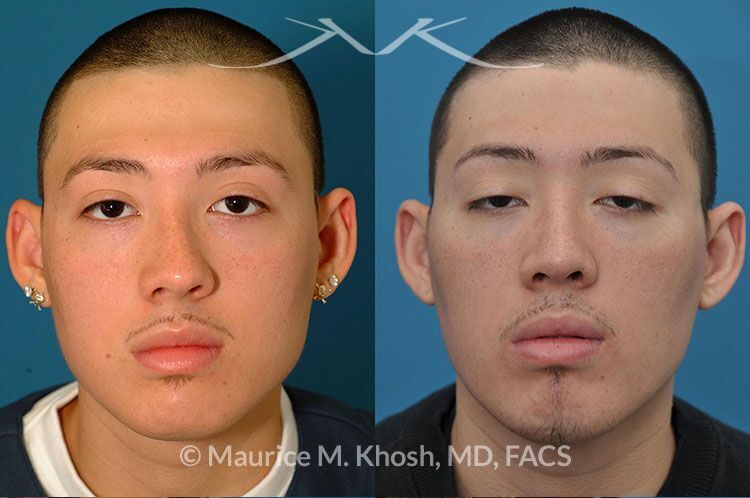
This 17 year old presented with complaints of total nasal obstruction on the right side. Examination showed profound septum deviation to the right which was also causing external deviation of the nose to the left side. Septoplasty in this patient not only restored normal breathing, it also resulted in straightening of the nose.
- Patient: 17 year-old with nasal obstruction
- Problem: Severely deviated nasal septum
- Procedure: Septoplasty
Disclaimer: These are actual results for patients of Dr. Maurice Khosh. Plastic and cosmetic surgery results can vary between patients.
Frequently Asked Questions
-
General anesthesia is my preferred mode of anesthesia for performance of septoplasty. In general anesthesia, the patient is completely asleep and won’t feel any discomfort or remember anything. In patients who prefer sedation, the anesthesiologist administers medication to make them comfortable. The procedure is then undertaken while the patient naps.
-
Most patients do not require pain medication past the third post-surgical day.
-
Septoplasty only addresses the internal anatomy of the nose and does not alter the external shape of the nose. Rhinoplasty is a surgical procedure to change and improve the external nasal appearance.
-
The two surgical terms are often used interchangeably. However, there is a technical difference between septoplasty and SMR. In SMR, the deviated portions of the nasal septum are shaved or removed. In septoplasty, septum cartilage or bone is reconfigured so that it is no longer crooked or blocking.
Related Procedures
Septoplasty or deviated septum surgery can be performed simultaneously with rhinoplasty to improve nasal appearance. Septoplasty is also often combined with sinus surgery to address chronic sinus conditions. Nasal valve repair (repair of nasal vestibular stenosis) is a surgical procedure aimed at relieving blockage in a critical part of the nose known as the nasal valve area. Repair of nasal valve can be combined with septoplasty.